The world leader in providing comprehensive Explosion Protection solutions for dust hazards. We have conducted thousands of full-scale explosion tests to better understand the science behind flame propagation and verify our protection solutions which include explosion vents, flameless explosion venting, explosion suppression systems, explosion isolation systems, and explosion detectors. Our Products and design calculation tools are third party (FM and ATEX) approved/certified. This means that every design is ATEX certified. From design to service, you can have confidence in the solution IEP Technologies provides.
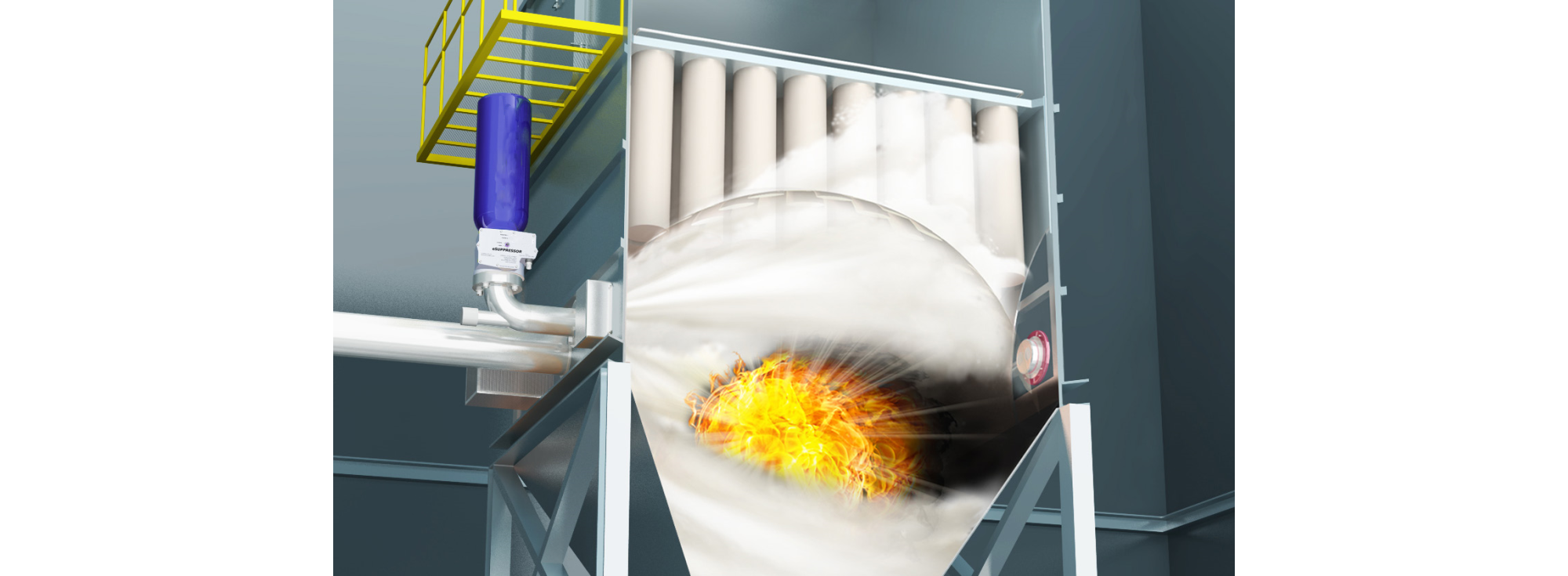
EXPLOSION PROTECTION SYSTEMS
Selecting the Right IEP Technologies System
There are three basic systems types employed for explosion protection:
1. Suppression
2. Isolation
3. Venting
The flow chart on right hand uses a dust collector as a typical application to show the process IEP Technologies engineers take to select the most appropriate system(s) to specifically fit your application.
We are always available to assist you in determining the most suitable explosion protection approach for each of your applications.
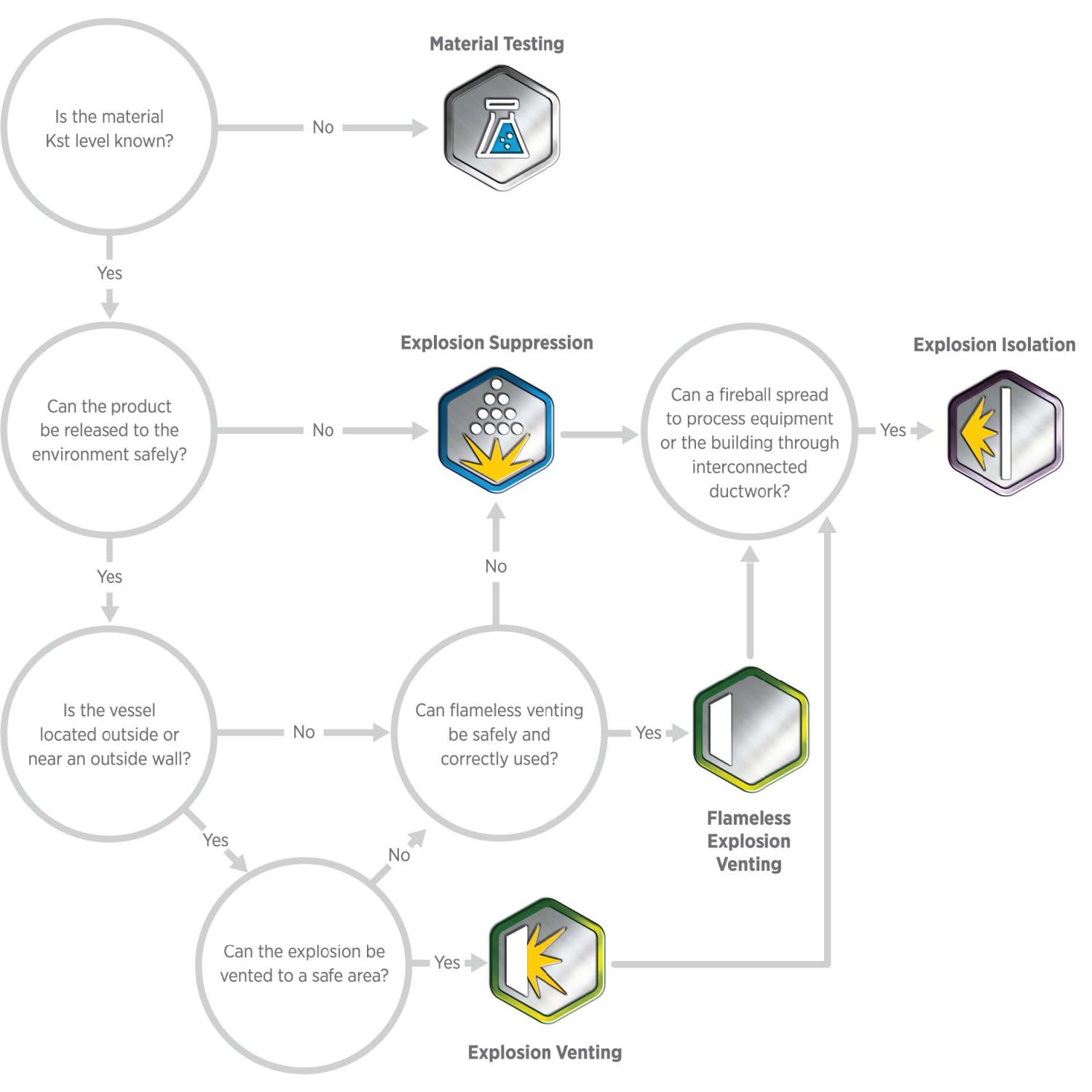
Explosion Protection Solution
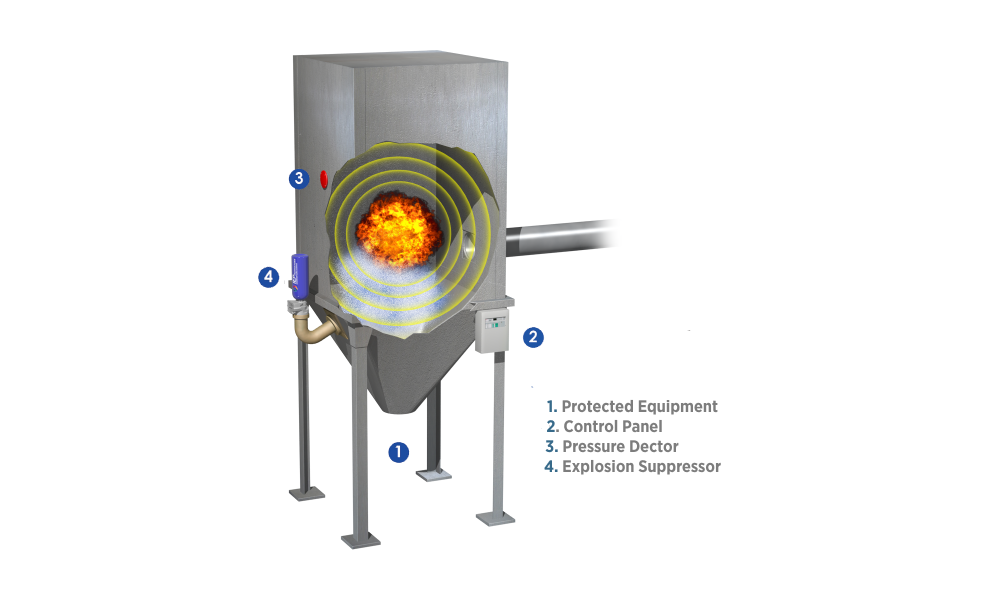
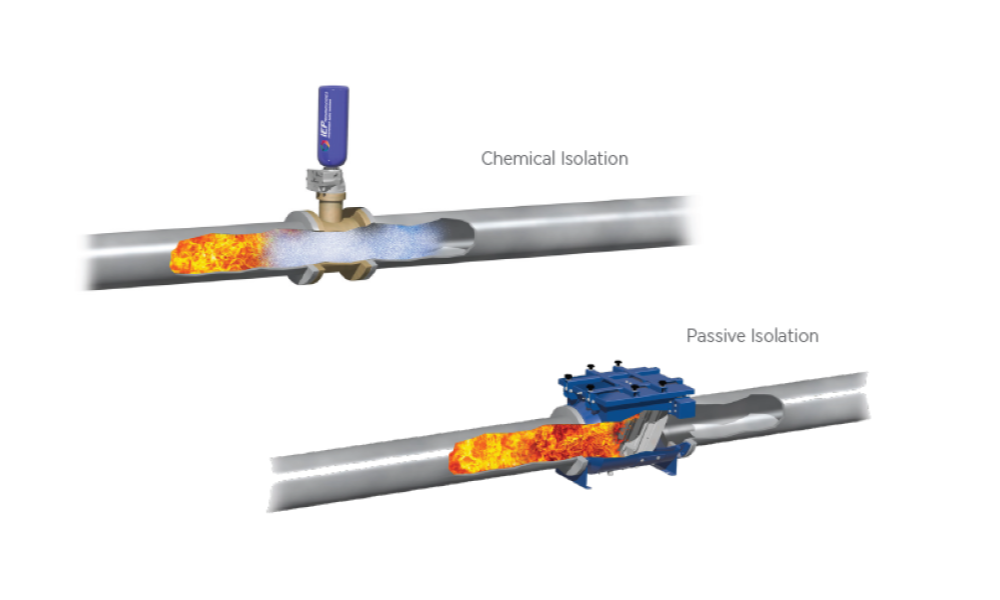
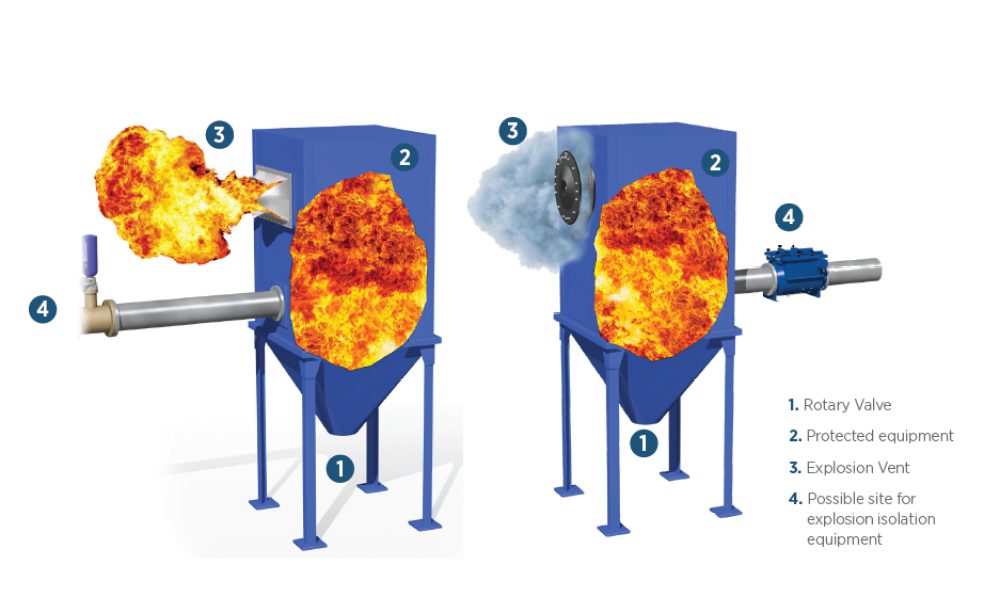
Whether the best explosion protection solution is suppression, venting or isolation, IEP Technologies offers the right products to meet your needs. Our system components undergo rigorous third-party testing to receive the approvals required by, for example, ATEX and NFPA. As each explosion protection threat is unique, we offer different types of explosion detectors, controls units and suppressors to tailor the design of the protection system to each individual application.
Spark Detection Systems
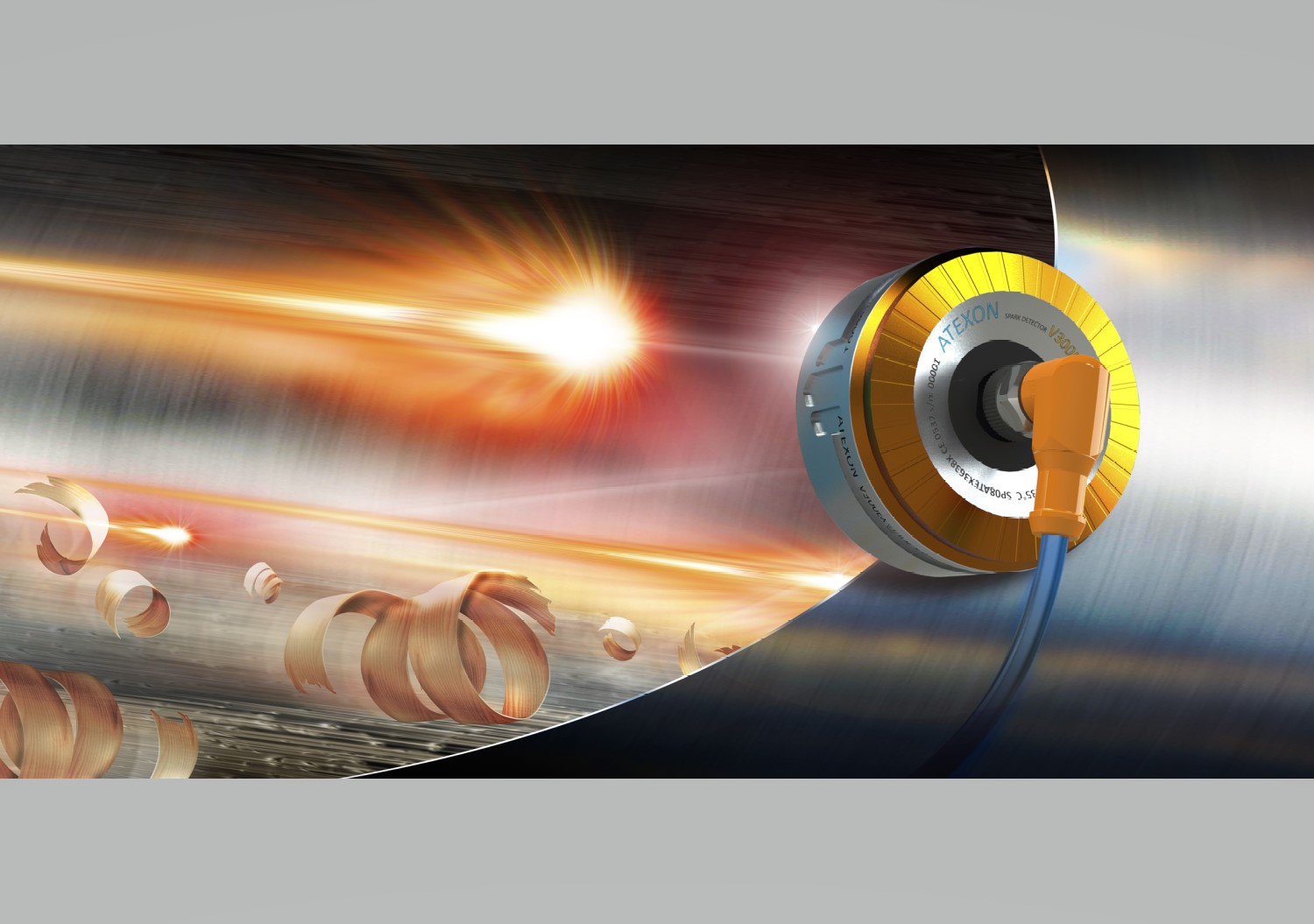
Rapid response spark detection and extinguishing systems
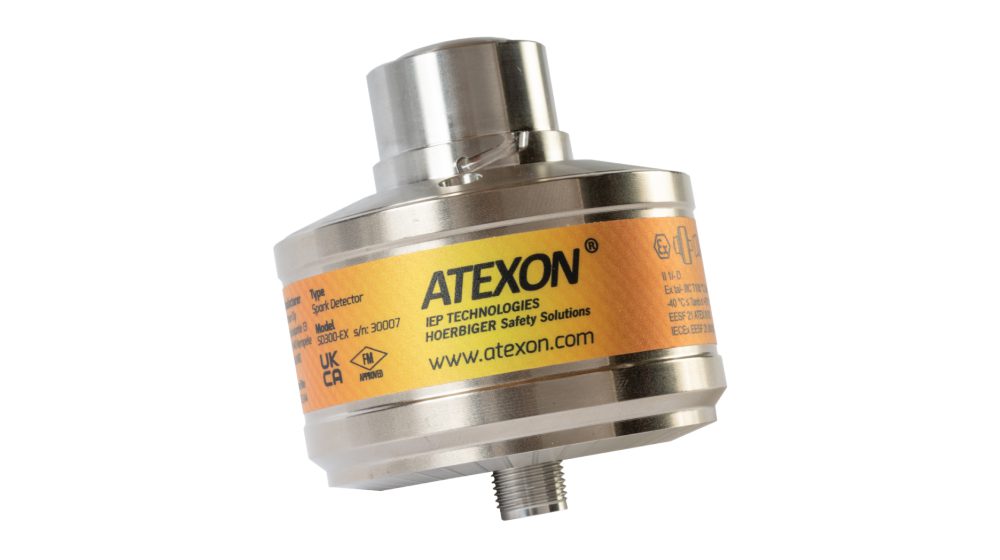
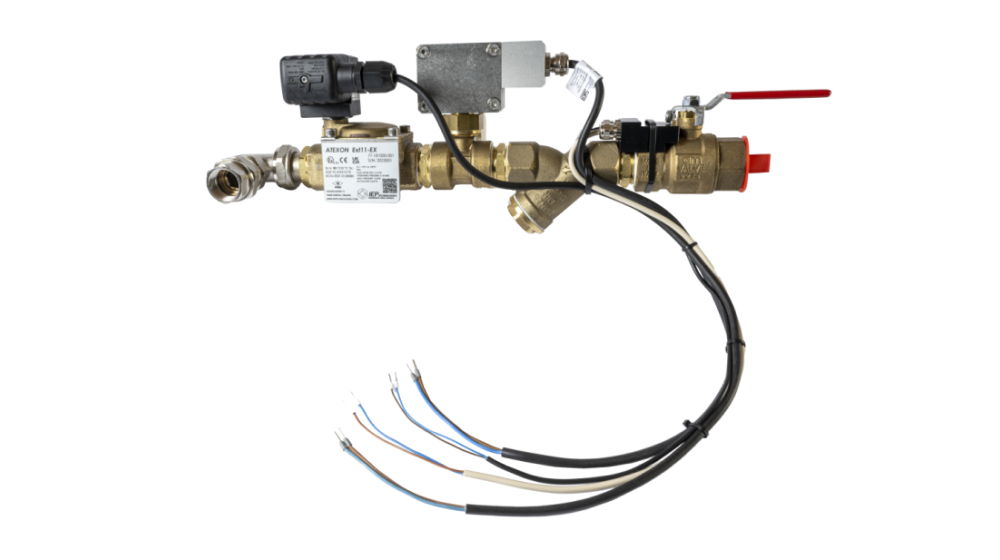
spark detection and extinguishing systems by IEP Technologies are designed to protect industrial processes by reducing the risk of ignition sources, such as embers, from reaching protected equipment. The system detects sparks and extinguishes them automatically without interrupting process operations. The small amount of water extinguishant used, approximately five liters, will greatly limit any interruption to filters or other production machines. Once the ignition source has been mitigated, the system automatically resets to normal operations and is ready to extinguish additional ignition sources.
สอบถามเพิ่มเติม
ลูกค้าของเรา (Clients)